


If you’ve noticed that your body doesn’t quite respond to food and exercise the way it used to, you’re not alone, and you’re not imagining it. According to Marla Ahlgrimm, we gradually lose muscle mass as we age, and our metabolism can change during perimenopause. Shifting hormone levels can make maintaining muscle more difficult, and that means we may need to pay more attention to getting enough protein.
Q: Why is protein important after age 40?
Marla Ahlgrimm: Protein is one of the building blocks your body uses to maintain muscle, bone, skin, hair, and other tissues. As we get older, our bodies simply become less efficient at using dietary protein to build and repair muscle.
Q: Does muscle mass decline during perimenopause?
Marla Ahlgrimm: Muscle mass doesn’t necessarily decline because of menopause, but there is a natural decline with age. However, during “the change of life,” declining estrogen levels can make maintaining muscle mass more challenging.
Q: But isn’t protein and muscle mass only for those looking to get toned?
Marla Ahlgrimm: Absolutely not. Maintaining your muscle mass helps support your joints and mobility. It can also help you stay active for longer and make everyday activities easier as you age.
Q: Do we need a specific amount of protein once we enter our 40s?
Marla Ahlgrimm: There is no single number that every woman suddenly needs the day she turns 40. However, age, hormone changes, and declining muscle mass do make adequate protein intake increasingly important. A common practical goal is to aim for roughly half your body weight in pounds in grams of protein each day, although individual needs can vary.
Q: What does this mean?
Marla Ahlgrimm: Essentially, a 150-pound woman might strive for around 75 grams of protein per day. There is some variation, of course, and a range of approximately 68 to 82 grams would be a reasonable target for a woman of this size depending on her activity level and individual needs.
Q: Are there any health conditions that might change how much protein I need?
Marla Ahlgrimm: Yes. If you have kidney disease or another condition that affects how your body handles protein, you’ll want to talk to your healthcare provider before significantly changing your protein intake.
Q: Does this mean I have to eat more meat?
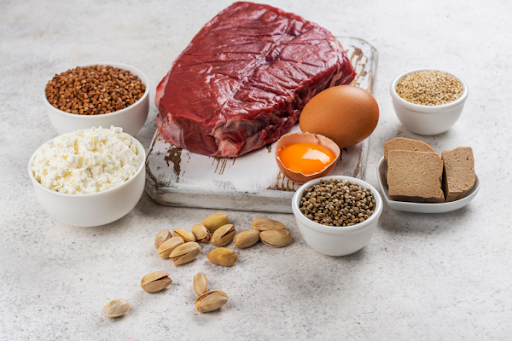
Marla Ahlgrimm: Not necessarily. While chicken, turkey, pork, and beef are all excellent sources of protein, they are certainly not your only choices. Eggs, Greek yogurt, milk, cottage cheese, beans, nuts and seeds, tofu, and protein-rich whole grains are all great ways to supplement your diet without eating more meat.
Q: When do I need to eat more protein—in the morning or in the evening?
Marla Ahlgrimm: Either can work, but it’s probably a better strategy to spread your protein intake throughout the day rather than trying to eat most of it at dinner. For example, have eggs for breakfast and Greek yogurt as a snack later.
I would try to avoid stuffing most of your protein into one large meal late in the day. Spreading it throughout the day gives your body multiple opportunities to use those nutrients to support muscle maintenance.
Q: Does eating protein affect my weight?
Marla Ahlgrimm: It can. Protein tends to be more filling than carbohydrates alone, and because it takes longer to digest, it may help you feel satisfied for longer. This can make it easier to manage your overall calorie intake.
Protein can also be particularly important when you’re trying to lose weight because you want to preserve as much muscle as possible while losing body fat.
Ultimately, getting more protein in your 40s isn’t a matter of simply eating more meat. Instead, a few small dietary changes can help you maintain muscle mass, support your mobility, and manage your weight through menopause and beyond.


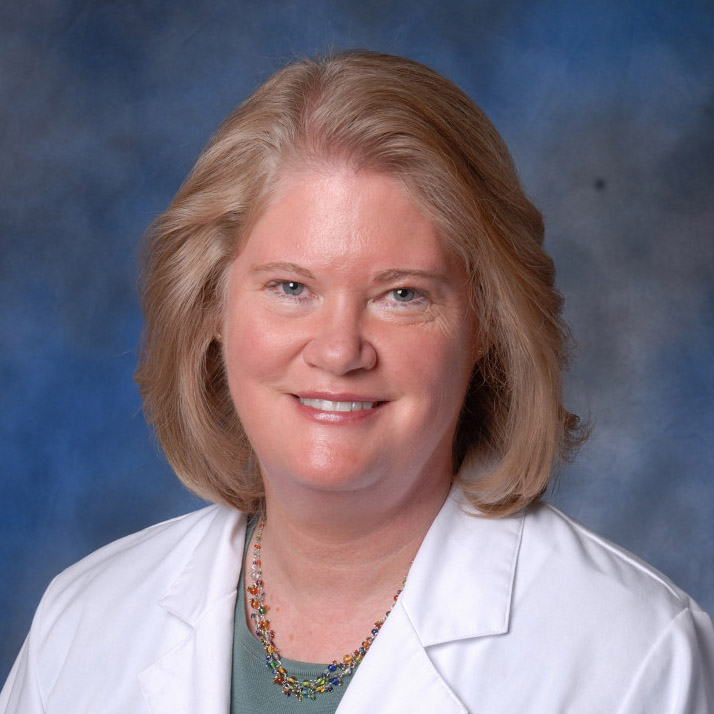 Marla Ahlgrimm has co-authored two ground-breaking books,