


If you’re in perimenopause or menopause and suddenly feel like your body has betrayed you, you are not imagining it. One day you might be drenched in sweat, and the next your skin feels so dry that no amount of moisturizer is going to help. Marla Ahlgrimm says that your mouth might be dry, you could always be thirsty, and you may wonder why you have a headache that never seems to go away.
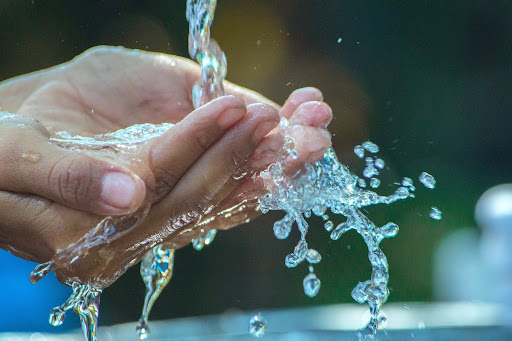
One of the simplest things you can do to support your body during this time is often the most overlooked: simply drink more water. While hydration is not a cure for menopause, it can make many of the symptoms easier to manage.
Menopause and Hydration
According to Marla Ahlgrimm, as estrogen levels decline, the body’s ability to regulate fluids changes. Many women also lose some of their natural thirst response as they get older. This means you may start to experience mild dehydration before you ever feel thirsty. And when you’re dealing with hot flashes, night sweats, summer heat, exercise, and those ever-beloved cups of coffee, it’s easy to fall behind on your fluids.
Signs You Might Need More Water
Many symptoms of dehydration already look like menopause. Marla Ahlgrimm says dehydration can include fatigue, headaches, brain fog, dry skin, dry mouth, constipation, dizziness, and dark urine. Some women also notice increased anxiety and irritability. Before you simply assume that your newest discomfort is just part of the change, it doesn’t hurt to drink a glass of water.
Common Menopause Symptoms Eased by Proper Hydration
Marla Ahlgrimm wants to reiterate that hydration and drinking more water are not cures for menopause. But they can help with many symptoms.
Hot Flashes
Hot flashes and their nocturnal cousins, night sweats, cause the body to lose fluid through sweating. If you’re already dehydrated, recovering from these episodes becomes even more difficult. Marla Ahlgrimm explains that staying well hydrated helps your body regulate temperature more efficiently and works to replace fluids you may lose during a hot flash or night sweat.
Brain Fog and Fatigue
When we start to feel sluggish or tired, we usually reach for coffee. But drinking water can help with things like brain fog and fatigue. While water won’t give you a jolt of energy like that morning latte, it can help improve your concentration, mood, memory, and energy levels.
Dry Skin
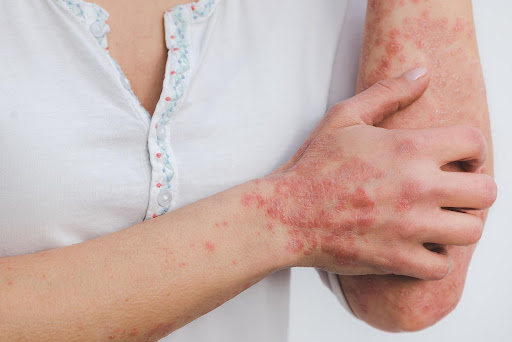
Lower estrogen naturally reduces your skin’s moisture. Staying properly hydrated from the inside out may help your skin feel softer and more supple. And although it won’t erase wrinkles, staying hydrated can help your skin maintain a healthier, more youthful appearance.
Other Benefits
Marla Ahlgrimm says that drinking water has plenty of other benefits, and some of them hit “below the belt.” Constipation, for example, can often be eased by increasing both your fiber intake and your water intake. Bladder health is also affected by the amount of liquid in your system, and Marla Ahlgrimm notes that concentrated urine is more irritating than diluted urine.
How Much Water Do I Need?
As with most health-related advice, there’s not a magic system that works for everyone. What you need depends on everything from your climate and your overall health to your activity level and current medications. A good general rule of thumb is to drink enough so that your urine is pale yellow instead of a deep gold.
Ultimately, Marla Ahlgrimm says that drinking enough water can help keep your skin looking healthy while reducing some of the more troublesome symptoms of perimenopause and menopause. If you’re concerned that you’re not drinking enough water, your primary healthcare provider can help you come up with a plan to stay healthy and hydrated, no matter where you are in your menopause journey.




 Marla Ahlgrimm has co-authored two ground-breaking books,