Hormone Disruptions in Our Daily Lives | Marla Ahlgrimm

Women’s hormones are a delicate balance that can be affected by everything from the weather to overall health. Marla Ahlgrimm says there are also many factors we don’t often think about that can have a significant impact on hormonal health, including common household items we use every day.

Common Endocrine Disruptors In The Home

Our homes are supposed to be a safe haven, but many everyday products can do as much harm as good. Marla Ahlgrimm explains that these include:

  • Makeup: Some cosmetic products contain hormone disruptors known as phthalates.
  • Canned foods: BPA, another common endocrine disruptor, is often found in canned goods and some plastic drinking bottles.
  • Produce: Commercially grown produce may contain industrial runoff, herbicides, and pesticides. Even produce labeled as organic can sometimes contain trace amounts of these chemicals.
  • Kitchen products: Many kitchen tools, including nonstick cookware and plastic containers, may contain BPA or similar compounds.
  • Cleaning products: Industrial chemicals found in laundry detergents and multipurpose cleaners often utilize nonylphenol ethoxylates, another class of endocrine disruptors.

All of the items above may contain chemicals that can mimic, block, or alter how the body naturally produces hormones. Although these exposures often occur in low doses, the body is highly sensitive to even small amounts of hormonal interference. Marla Ahlgrimm notes that it’s almost impossible to completely avoid these chemicals in modern daily life.

Why This Matters

A woman’s body operates through a finely tuned hormonal system. When even one hormone falls out of balance, it can lead to menstrual irregularities, estrogen dominance, fertility challenges, and more. Some endocrine-disrupting chemicals have also been linked to PCOS, early menopause, thyroid dysfunction, and other chronic health concerns.

Marla Ahlgrimm further explains that these issues are difficult to diagnose because exposure typically occurs in small amounts over long periods. The effects aren’t always immediate; however, chronic, low-level exposure can have a lasting impact on hormonal balance and overall longevity.

What You Can Do

According to Marla Ahlgrimm, women are not completely helpless when it comes to reducing exposure to hormone-disrupting chemicals. She recommends:

  • Choosing safer food containers. Opt for glass or stainless steel instead of plastic when possible. Many manufacturers now also offer BPA-free plastic. Look for recycling codes 3, 6, and 7, which often indicate higher-risk materials to avoid.
  • Reading product labels carefully. Be wary of vague terms such as “fragrance” or “perfume,” which may hide chemical additives that haven’t been fully disclosed.
  • Being mindful of cleaning and kitchen products. Some can release trace elements into the air or food, which Marla Ahlgrimm says adds up over time.

While it’s impossible to completely avoid every chemical, a few lifestyle changes can make a meaningful difference. Just as small exposures can add up to a negative effect, small improvements can have a positive influence on overall health.

Marla Ahlgrimm recommends that women who are concerned about endocrine disruptors in their daily lives consult with their healthcare providers to identify additional strategies for minimizing exposure and protecting long-term hormonal health.

Empty Nest Syndrome: Marla Ahlgrimm

For many women, the perimenopause and menopause years come with more than just a changing body to worry about. Marla Ahlgrimm says that there is a significant emotional shift that profoundly impacts many women’s health. What is it? An empty nest.

The time when a woman’s children are aging out of home and moving away to college or to begin their adult life is marked by freedom and opportunity. However, Marla Ahlgrimm says that it can also trigger feelings of loss, a change in identity, and increased stress, which manifest in physical and mental health challenges. It’s more than just a mental adjustment; it’s a stressful stage of life that initiates often unwelcome psychological changes.

The Absence of Children

According to Marla Ahlgrimm, the empty nest stage is about more than just the absence of children. She explains that many moms experience a swift disruption of their daily routine and what they may view as a downgrade in their primary role as a parent and provider. Women often live their lives revolving around their children from birth until 18 to 20 years old. Marla Ahlgrimm says this includes managing schedules, helping with homework, and assisting her children in navigating everything from learning how to walk to experiencing their first broken heart. When that demand diminishes, women can experience a loss of purpose and a feeling of being unneeded.

Empty Nest Stress

It’s no secret that chronic stress elevates the production of the stress hormones cortisol and adrenaline. Marla Ahlgrimm says that the stress of living in an empty nest is no different. And, unfortunately, there are many physical ailments that women can experience as a result. These include changes to her cardiovascular health, immune system depression, sleep disturbances, digestive issues, and weight gain. Marla Ahlgrimm says that all of these are directly tied to increased levels of cortisol and adrenaline.

The Emotional Impact

All of these sudden changes to a woman’s life can lead to or exacerbate mental health issues. Marla Ahlgrimm says that women may, for example, have an identity crisis, as for the last two or more decades her identity has been entwined with her role as mom and caregiver. Depression and anxiety are also common, and her romantic relationships may even take a hit.

Reinvestment

As women learn to readapt to life outside of the role of mother of children, they must learn to reinvent and reinvest in themselves. Marla Ahlgrimm says that seeking support through a therapist or with other moms experiencing this same stage of life can help women process their grief and redefine their goals. Physical activity is also important, as it works as both a stress reliever and a way for the body to naturally regulate sleep. Marla Ahlgrimm insists that women may find great joy in new hobbies or even traveling, continuing their education, or prioritizing their careers.

Ultimately, women experiencing empty nest stress should acknowledge the reality of this role in life. While this may come at a time when she’s already dealing with physical changes thanks to ever-changing hormone levels, watching her children spread their proverbial wings and soar off into adulthood is not a time for dismay but rather an opportunity to celebrate the lives that she’s impacted and the young adults she’s prepared to take on the world around them.

Marla Ahlgrimm: Understanding Pelvic Floor Disorders in Women

Pelvic floor disorders are a common but woefully under-discussed issue in women’s health. Marla Ahlgrimm, an expert in women’s health and self-help author, explains that few women realize how crucial the pelvic floor muscles are to overall well-being. She explains that the pelvic floor is more than just a set of muscles; it provides support to the bladder, uterus, vagina, and rectum. When these muscles are damaged, weakened, or out of order, a woman may develop issues that impact their health, wellbeing, and ability to enjoy everyday activities. 

What Are Pelvic Floor Disorders?

According to Marla Ahlgrimm, pelvic floor disorder is a blanket phrase that encompasses many different conditions. The most common are urinary incontinence, fecal incontinence, pelvic organ prolapse, and chronic pelvic pain. While these issues can affect women of all ages, they are particularly prevalent in women who have experienced childbirth and are approaching perimenopause. Women who have undergone pelvic surgery are also more prone to pelvic floor disorders.

Causes and Risk Factors

Marla Ahlgrimm explains that there are many factors that contribute to pelvic floor disorders. Vaginal childbirth is the most significant, as the pelvic muscles are stretched and may be injured during delivery. Hormonal changes during menopause and perimenopause, especially the decline of estrogen, also weaken tissue elasticity and make the pelvic floor more prone to dysfunction.

Other contributing factors to pelvic floor disorders include chronic constipation, repetitive heavy lifting, obesity, and genetics. Marla Ahlgrimm explains that hysterectomy can also alter the structure of the pelvic floor and increase the risk of pelvic prolapse. These conditions, she asserts, are not a sign of weakness but the result of normal changes to the body.

Symptoms of a Pelvic Floor Disorder

Recognizing the symptoms of a pelvic floor disorder is key to reducing their effects on a woman. Marla Ahlgrimm says that women should be aware of subtle symptoms, such as urine leakage, heaviness in the pelvis, painful intercourse, difficulty emptying the bladder or bowels, and unintentional changes in posture due to lower back discomfort. Even mild symptoms should be discussed with a primary healthcare provider, since early intervention can significantly improve overall outcomes.

Treatment Options

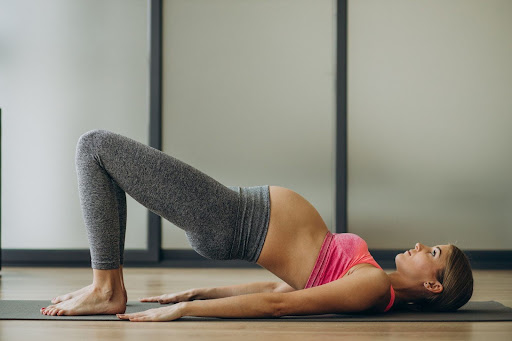
While the idea of a dysfunctional pelvic floor may not be exciting to women, there is good news: pelvic floor disorders are treatable. Marla Ahlgrimm recommends pelvic floor therapy, which focuses on exercises that either strengthen or relax the muscles. This might include Kegel exercises, manual therapy, or biofeedback.

Lifestyle adjustments are also important in maintaining pelvic floor health. Maintaining a healthy weight and reducing stress can help, but Marla Ahlgrimm also recommends avoiding straining during bowel movements and managing health conditions that cause a chronic cough. She asserts that there are also medications for an overactive bladder. Surgical correction is a last resort in severe circumstances.

Breaking the Silence

Pelvic floor disorders carry an uncomfortable social stigma. Many women assume that their symptoms are normal with age or after childbirth and simply don’t discuss them with their healthcare provider. However, Marla Ahlgrimm insists that open conversation and education are essential for women of all ages. The more women talk about pelvic floor disorders, the less taboo the subject will become, and the more women will receive the help they need.

Ultimately, Marla Ahlgrimm says that pelvic floor disorders can affect a woman’s daily life and self-confidence. Thankfully, they are manageable with proper care. Women are encouraged to listen to their bodies and have a conversation with their primary healthcare provider or gynecologist to help treat underlying conditions and to receive pelvic floor therapy or other treatments as needed to maintain quality of life.

How Women Lose Weight Differently Than Men | Marla Ahlgrimm

Marla AhlgrimmIf you’re like many women, you’ve gone on a diet kick with your spouse at some point, only to get discouraged when he drops 10 pounds by giving up alcohol and you gain three in a calorie deficit. It’s easy to give up, says Marla Ahlgrimm, but if you’re truly trying to take control of your health, the women’s healthcare expert and author says the numbers on the scale may not tell the true story about your health.

Today, Marla Ahlgrimm offers up information on why men and women lose weight at a different rate, even when following a similar diet plan.

Body Composition and Metabolism

According to Marla Ahlgrimm, men typically have a higher percentage of lean muscle mass compared to fat. And since muscle is more metabolically active (this means it burns more calories, even at rest), men have a higher basal metabolic rate. This means that a man performing the same exact activities as a woman is likely to burn more calories without any extra effort. Fortunately, Marla Ahlgrimm says that initial weight loss, although faster for a man, doesn’t predict long-term health benefits.

Hormonal Influences

Simply put, men and women have different levels of many of the same hormones. When it comes to fat storage and calorie burn, testosterone—testosterone is the primary sex hormone in men—aids in fat burning and promotes muscle growth. In other words, Marla Ahlgrimm says that men build muscle and lose fat simultaneously at a faster rate, all thanks to this chemical messenger.

Women, by contrast, have higher levels of estrogen. This is the hormone that encourages the body to store fat, particularly in the hips, thighs, and butt. Although Marla Ahlgrimm acknowledges and appreciates fat storage as an evolutionary tool for the benefit of reproduction, she laments that estrogen does make losing weight from these areas in particular a bit more challenging.

Fat Distribution

Men and women also store fat in different areas. Typically, men gain weight in their abdominal region, leaving them with an apple-shaped body. Abdominal fat is usually visceral and is the first to be lost during a weight loss regimen. Women, on the other hand, often have a pear-shaped body. Marla Ahlgrimm explains that women do tend to store fat in their hips and thighs, and subcutaneous fat is a little more stubborn and the last to let go.

What You Can Do

Marla AhlgrimmAs a woman, Marla Ahlgrimm says that common sense is your best bet when trying to lose weight, whether you’re post-pregnancy or postmenopausal. She explains that eating a balanced diet and getting a reasonable amount of physical activity each day is the most effective weight loss plan of all. And she also cautions us to remember that calorie consumption is just part of the plan. Women’s bodies need between 1,800 and 2,200 calories per day, mixed between protein, fat, fiber, carbohydrates, and other nutrients.



Men and women’s bodies are different in many ways, and Marla Ahlgrimm says the way we lose weight is just one of these. However, with patience, persistence, and time, many women find that their spouse’s head start evens out with their own weight loss efforts.

Marla Ahlgrimm | Innovations in Women’s Health for 2025

The year is more than half over but that does not mean that the rest of 2025 won’t bring great things to women’s health. Women’s health expert Marla Ahlgrimm explains that there are many areas of innovation that can and do have a positive impact on everyone’s health, especially women.

FemTech

FemTech is a term most people aren’t familiar with, but Marla Ahlgrimm says that it’s a hot topic in the medical world. Essentially, this is an upcoming sector in healthcare focused explicitly on women’s health. In recent years, a surge in development and financial investment from big-name medical corporations has occurred. Software, products, and even services tailored to women’s unique medical and biological needs fall under the scope of FemTech. Marla Ahlgrimm says that women can expect further advancements in postpartum care, fertility, menopause, and pregnancy as the era of FemTech begins to bridge the gap of the male-slanted, gender-specific data historically available to researchers.

Artificial Intelligence

While artificial intelligence remains in its infancy, Marla Ahlgrimm says that it has aided in the diagnosis and detection of diseases. Most noticeably, AI-assisted mammography reduces reading time and enhances accuracy. AI-assisted healthcare is also helping women uncover issues such as PCOS and endometriosis more efficiently than ever. Artificial intelligence has also made more personalized care available to women across all socioeconomic backgrounds and, importantly, AI models are not biased against any external factor, meaning that women may have access to fairer care.

Remote Monitoring

Marla Ahlgrimm says that wearable technology is not exactly new. However, she explains that these devices are becoming increasingly sophisticated and are a valuable tool for women who choose to monitor their own health. Marla Ahlgrimm states that wearables can track menstrual cycles, ovulation, stress, sleep quality, heart health, and more. Further, digital therapeutics offer more tools today than ever before to allow women to provide themselves with self-help for their menopause, premenstrual, and mental health symptoms.

New Vaccines and Treatments

With each passing decade, Marla Ahlgrimm says that researchers begin to uncover more ways to treat and prevent healthcare concerns. Recently, a new antibiotic for gonorrhea was announced in its late-stage development. Therapeutic HPV vaccines and other vaccinations for health concerns that disproportionately affect women are also increasingly available.

Better Accessible Family Planning

Family planning solutions, such as birth control shots, have largely been clinician-administered. Today, Marla Ahlgrimm says that women have more options for once-a-month pills and injectable contraceptives that allow them to take more control of their ability to prevent unwanted pregnancy.

The world we live in moves at a rapid pace, especially in the realm of technology. And Marla Ahlgrimm says that many of these nascent technologies are highly beneficial to women. The women’s healthcare expert believes that the next 10 years will be interesting to see how artificial intelligence and more accessible technology allow women to be more involved and in control of their own specific healthcare needs.

Daylight Saving Time and Women’s Health: Marla Ahlgrimm

Marla AhlgrimmDaylight Saving Time is when we shift the clocks forward in the spring and back in the fall. It’s a subject of ongoing debate, but this often unwelcome time change may have some even less welcome impacts on a woman’s health. Marla Ahlgrimm, a women’s health advocate and self-help author, says even seemingly small shifts in time can have a significant impact on women’s physical and mental well-being.

Disrupted Rhythms

Marla Ahlgrimm emphasizes that our bodies operate on a natural 24-hour cycle known as the circadian rhythm. This internal clock regulates our sleep-wake patterns, hormone release, and other vital functions. Daylight Saving Time disrupts this rhythm and can lead to many issues with a woman’s health.

Mental Health

According to Marla Ahlgrimm, a change in daylight hours can affect mood and mental health. She points out that the reduced morning light and increased evening light can throw off the body’s natural production of melatonin and serotonin. These hormones are crucial for sleep and mood regulation, respectively. Studies show a correlation between Daylight Saving Time and increased depressive symptoms, particularly during the fall, when evening light decreases. Marla Ahlgrimm also notes that sleep deprivation, a common consequence of Daylight Saving Time, can exacerbate anxiety and irritability.

Physical Health

Marla Ahlgrimm highlights the physical health risks associated with suddenly changing the clock. Research indicates a rise in heart attacks and strokes in the days following the spring change. She also explains that the disruption of the circadian rhythm can increase heart rate, blood pressure, and the production of stress hormones, including cortisol. Further, Marla Ahlgrimm cautions that sleep deprivation caused by Daylight Saving Time can weaken the immune system and increase the risk of various health problems.

The Menstrual Cycle

Daylight Saving Time also has the potential to affect a woman’s menstrual cycle. While scientific evidence is limited, Marla Ahlgrimm suggests that the disruption of the circadian rhythm can indirectly affect the hormones that regulate menstruation and ovulation. Changes in sleep patterns and stress levels can influence hormone balance, potentially leading to cycle irregularities.

Mitigating the Effects

Marla Ahlgrimm

While you can’t turn back the clock, Marla Ahlgrimm recommends several strategies to help reduce the impact of Daylight Saving Time. These include prioritizing sleep, maximizing morning light exposure, maintaining a healthy lifestyle, and limiting evening screen time. If possible, Marla Ahlgrimm recommends that women gradually adjust their sleep schedule in the days leading up to the change. By waking up a bit earlier, the body is exposed to more natural daylight, which can help reset and rebalance the internal clock. Maintaining a healthy lifestyle and reducing blue light exposure can also help.

Daylight Saving Time has been the subject of debate for many years. But there is little that individuals can do to maintain a normal schedule when the rest of the world is shifting their clocks back and forth. Thankfully, with a few minor lifestyle changes, Marla Ahlgrimm says that most women can reduce the negative impact of Daylight Saving Time.

© 2019 Marla Ahlgrimm. All Rights Reserved.