Marla Ahlgrimm | Moodiness in Pre-Teen Girls

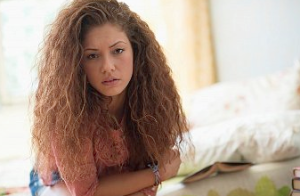
As many of us enter the “change of life,” our daughters are going through their own hormonal upheaval. Moodiness is part of the package, and this can be difficult for all parties concerned. But, Marla Ahlgrimm says it can help to know (or rather remember) what’s actually happening inside their brains and bodies.

Hormonal Changes

According to Marla Ahlgrimm, around the ages of nine to 12, young women’s bodies begin to produce higher levels of estrogen and progesterone. This is the body’s way of kick-starting the puberty process. Even small fluctuations in these hormones can trigger big emotional upheavals. Marla Ahlgrimm explains that hormonal changes can make a young girl irritable, sad, anxious, or angry, even without an obvious trigger.

Brain Development

On top of a changing body, the brain is changing as well. Marla Ahlgrimm explains that the prefrontal cortex is still immature in preteen girls. This is the part of the brain responsible for thinking, planning, and emotional regulation. At the same time, the amygdala, which is known as the emotional center of the brain, is in hyperdrive, making reactions to stress, disappointment, and embarrassment feel amplified. All of this can result in overreactions to minor conflicts, as young girls often can’t articulate what they’re feeling.

Social Pressures

Outside of the body, Marla Ahlgrimm reminds us that young girls are often dealing with social and identity pressures that we may have long forgotten. As their bodies develop, they may begin comparing themselves to friends and even media images. This can cause friend dynamics to change rapidly and leave a preteen daughter seeking social acceptance and fearing judgment more than ever.

Increased Sensitivity

As the preteen brain continues to learn to filter and contextualize comments made around and about them, young girls have a heightened emotional awareness. They may feel personally attacked even by a mild joke or criticism. Marla Ahlgrimm explains that young girls can feel overwhelmed even by small things.

Lifestyle Factors

Puberty shifts the body into overdrive and can change the circadian rhythm. Marla Ahlgrimm explains that many girls between nine and 12 naturally begin to feel sleepy later, but they still need between 9 and 11 hours of sleep each night. With early school start times, this is often unattainable. Other lifestyle factors at this age include increased consumption of caffeine and sugar, lack of physical activity, and irregular meals. Excessive screen time can also increase anxiety and disrupt natural sleep patterns.

Desire for Independence

We all want to be independent, but Marla Ahlgrimm says that young girls are caught in a position of internal conflict between a strong desire for independence and a need for guidance. Preteens want to make their own choices and be seen as capable, but their brains are not fully developed enough to handle complex situations. When limits are set or boundaries drawn, preteens may feel unfairly controlled, which can lead to arguments, defiance, or withdrawal.

Ultimately, Marla Ahlgrimm says that pre-teen moodiness is not just about being difficult. It is a natural mix of biology, brain growth, and social challenges. As adults, it is our responsibility to guide with patience and empathy to help our daughters navigate this time and develop a stronger ability to regulate their own emotions.

Hormone Disruptions in Our Daily Lives | Marla Ahlgrimm

Women’s hormones are a delicate balance that can be affected by everything from the weather to overall health. Marla Ahlgrimm says there are also many factors we don’t often think about that can have a significant impact on hormonal health, including common household items we use every day.

Common Endocrine Disruptors In The Home

Our homes are supposed to be a safe haven, but many everyday products can do as much harm as good. Marla Ahlgrimm explains that these include:

  • Makeup: Some cosmetic products contain hormone disruptors known as phthalates.
  • Canned foods: BPA, another common endocrine disruptor, is often found in canned goods and some plastic drinking bottles.
  • Produce: Commercially grown produce may contain industrial runoff, herbicides, and pesticides. Even produce labeled as organic can sometimes contain trace amounts of these chemicals.
  • Kitchen products: Many kitchen tools, including nonstick cookware and plastic containers, may contain BPA or similar compounds.
  • Cleaning products: Industrial chemicals found in laundry detergents and multipurpose cleaners often utilize nonylphenol ethoxylates, another class of endocrine disruptors.

All of the items above may contain chemicals that can mimic, block, or alter how the body naturally produces hormones. Although these exposures often occur in low doses, the body is highly sensitive to even small amounts of hormonal interference. Marla Ahlgrimm notes that it’s almost impossible to completely avoid these chemicals in modern daily life.

Why This Matters

A woman’s body operates through a finely tuned hormonal system. When even one hormone falls out of balance, it can lead to menstrual irregularities, estrogen dominance, fertility challenges, and more. Some endocrine-disrupting chemicals have also been linked to PCOS, early menopause, thyroid dysfunction, and other chronic health concerns.

Marla Ahlgrimm further explains that these issues are difficult to diagnose because exposure typically occurs in small amounts over long periods. The effects aren’t always immediate; however, chronic, low-level exposure can have a lasting impact on hormonal balance and overall longevity.

What You Can Do

According to Marla Ahlgrimm, women are not completely helpless when it comes to reducing exposure to hormone-disrupting chemicals. She recommends:

  • Choosing safer food containers. Opt for glass or stainless steel instead of plastic when possible. Many manufacturers now also offer BPA-free plastic. Look for recycling codes 3, 6, and 7, which often indicate higher-risk materials to avoid.
  • Reading product labels carefully. Be wary of vague terms such as “fragrance” or “perfume,” which may hide chemical additives that haven’t been fully disclosed.
  • Being mindful of cleaning and kitchen products. Some can release trace elements into the air or food, which Marla Ahlgrimm says adds up over time.

While it’s impossible to completely avoid every chemical, a few lifestyle changes can make a meaningful difference. Just as small exposures can add up to a negative effect, small improvements can have a positive influence on overall health.

Marla Ahlgrimm recommends that women who are concerned about endocrine disruptors in their daily lives consult with their healthcare providers to identify additional strategies for minimizing exposure and protecting long-term hormonal health.

Marla Ahlgrimm | Innovations in Women’s Health for 2025

The year is more than half over but that does not mean that the rest of 2025 won’t bring great things to women’s health. Women’s health expert Marla Ahlgrimm explains that there are many areas of innovation that can and do have a positive impact on everyone’s health, especially women.

FemTech

FemTech is a term most people aren’t familiar with, but Marla Ahlgrimm says that it’s a hot topic in the medical world. Essentially, this is an upcoming sector in healthcare focused explicitly on women’s health. In recent years, a surge in development and financial investment from big-name medical corporations has occurred. Software, products, and even services tailored to women’s unique medical and biological needs fall under the scope of FemTech. Marla Ahlgrimm says that women can expect further advancements in postpartum care, fertility, menopause, and pregnancy as the era of FemTech begins to bridge the gap of the male-slanted, gender-specific data historically available to researchers.

Artificial Intelligence

While artificial intelligence remains in its infancy, Marla Ahlgrimm says that it has aided in the diagnosis and detection of diseases. Most noticeably, AI-assisted mammography reduces reading time and enhances accuracy. AI-assisted healthcare is also helping women uncover issues such as PCOS and endometriosis more efficiently than ever. Artificial intelligence has also made more personalized care available to women across all socioeconomic backgrounds and, importantly, AI models are not biased against any external factor, meaning that women may have access to fairer care.

Remote Monitoring

Marla Ahlgrimm says that wearable technology is not exactly new. However, she explains that these devices are becoming increasingly sophisticated and are a valuable tool for women who choose to monitor their own health. Marla Ahlgrimm states that wearables can track menstrual cycles, ovulation, stress, sleep quality, heart health, and more. Further, digital therapeutics offer more tools today than ever before to allow women to provide themselves with self-help for their menopause, premenstrual, and mental health symptoms.

New Vaccines and Treatments

With each passing decade, Marla Ahlgrimm says that researchers begin to uncover more ways to treat and prevent healthcare concerns. Recently, a new antibiotic for gonorrhea was announced in its late-stage development. Therapeutic HPV vaccines and other vaccinations for health concerns that disproportionately affect women are also increasingly available.

Better Accessible Family Planning

Family planning solutions, such as birth control shots, have largely been clinician-administered. Today, Marla Ahlgrimm says that women have more options for once-a-month pills and injectable contraceptives that allow them to take more control of their ability to prevent unwanted pregnancy.

The world we live in moves at a rapid pace, especially in the realm of technology. And Marla Ahlgrimm says that many of these nascent technologies are highly beneficial to women. The women’s healthcare expert believes that the next 10 years will be interesting to see how artificial intelligence and more accessible technology allow women to be more involved and in control of their own specific healthcare needs.

Marla Ahlgrimm | How Long Will This Pandemic Last?

Marla AhlgrimmAccording to Marla Ahlgrimm, one of the most pressing questions on everyone’s mind is how long, exactly, the coronavirus pandemic will last. Unfortunately, there is no simple answer to that question, but you can find insight into how things might play out below.

Q: Prior to 2020, when was the last global pandemic?

Marla Ahlgrimm: Back in 2009, the World Health Organization declared the H1N1 virus, also known as swine flu, a pandemic. It began in June and was officially declared over by August 2010. Unfortunately, the novel coronavirus is different from swine flu. Although we are hopeful that researchers and scientists will develop a vaccine by the end of 2020, there is an unfortunate lack of crystal balls that can accurately predict what tomorrow will bring.

[Read more…]

Marla Ahlgrimm | Kidney Stones Affect 10 Percent of Women

Marla AhlgrimmRetired pharmacist Marla Ahlgrimm says kidney stones are a painful condition that affects one in 10 women at some point in their lives. Keep reading for more information.

According to Marla Ahlgrimm, emergency room across the country treat more than 500,000 people for kidney stones each year. Although men are twice as likely to get kidney stones, women are still affected at an alarming rate. Throughout the last 20 years, issues such as obesity, high blood pressure, and diabetes have increased kidney stone diagnosis by more than 200 percent.

Marla Ahlgrimm explains that a kidney stone is pretty much what you’d imagine from the name: a stone-like obstruction found in the kidneys. They are formed as urine chemicals crystallize, often due to a nutritional defect or overproduction of uric acid. Unlike actual stones, however, kidney stones can grow and often feature stalactite-like protrusions.

One of the primary symptoms of kidney stones is painful urination. This happens when a kidney stone, which can be as small as a grain of sand, get stuck as it travels from the kidneys to the bladder. Marla Ahlgrimm explains there are four types of kidney stone: calcium oxalate, uric acid, struvite, and cystine. Each are caused by different triggers but leave within their wake the same symptoms.

Kidney stones can start as a burning sensation when urinating. Marla Ahlgrimm says that over time the pain becomes more intense and can manifest as a stabbing feeling in the gut, groin, or lower back. Many women report pain so excruciating that it causes vomiting and fainting. If a kidney stone causes a bladder infection, a woman may also experience fever, chills, fatigue, and body aches. Kidney stones may be diagnosed by a CT scan or x-ray. Small stones are often allowed to pass without medical intervention although laser or endoscopic surgery may be necessary, says Marla Ahlgrimm.

© 2019 Marla Ahlgrimm. All Rights Reserved.