How Women Lose Weight Differently Than Men | Marla Ahlgrimm

Marla AhlgrimmIf you’re like many women, you’ve gone on a diet kick with your spouse at some point, only to get discouraged when he drops 10 pounds by giving up alcohol and you gain three in a calorie deficit. It’s easy to give up, says Marla Ahlgrimm, but if you’re truly trying to take control of your health, the women’s healthcare expert and author says the numbers on the scale may not tell the true story about your health.

Today, Marla Ahlgrimm offers up information on why men and women lose weight at a different rate, even when following a similar diet plan.

Body Composition and Metabolism

According to Marla Ahlgrimm, men typically have a higher percentage of lean muscle mass compared to fat. And since muscle is more metabolically active (this means it burns more calories, even at rest), men have a higher basal metabolic rate. This means that a man performing the same exact activities as a woman is likely to burn more calories without any extra effort. Fortunately, Marla Ahlgrimm says that initial weight loss, although faster for a man, doesn’t predict long-term health benefits.

Hormonal Influences

Simply put, men and women have different levels of many of the same hormones. When it comes to fat storage and calorie burn, testosterone—testosterone is the primary sex hormone in men—aids in fat burning and promotes muscle growth. In other words, Marla Ahlgrimm says that men build muscle and lose fat simultaneously at a faster rate, all thanks to this chemical messenger.

Women, by contrast, have higher levels of estrogen. This is the hormone that encourages the body to store fat, particularly in the hips, thighs, and butt. Although Marla Ahlgrimm acknowledges and appreciates fat storage as an evolutionary tool for the benefit of reproduction, she laments that estrogen does make losing weight from these areas in particular a bit more challenging.

Fat Distribution

Men and women also store fat in different areas. Typically, men gain weight in their abdominal region, leaving them with an apple-shaped body. Abdominal fat is usually visceral and is the first to be lost during a weight loss regimen. Women, on the other hand, often have a pear-shaped body. Marla Ahlgrimm explains that women do tend to store fat in their hips and thighs, and subcutaneous fat is a little more stubborn and the last to let go.

What You Can Do

Marla AhlgrimmAs a woman, Marla Ahlgrimm says that common sense is your best bet when trying to lose weight, whether you’re post-pregnancy or postmenopausal. She explains that eating a balanced diet and getting a reasonable amount of physical activity each day is the most effective weight loss plan of all. And she also cautions us to remember that calorie consumption is just part of the plan. Women’s bodies need between 1,800 and 2,200 calories per day, mixed between protein, fat, fiber, carbohydrates, and other nutrients.

Men and women’s bodies are different in many ways, and Marla Ahlgrimm says the way we lose weight is just one of these. However, with patience, persistence, and time, many women find that their spouse’s head start evens out with their own weight loss efforts.


Marla Ahlgrimm | Innovations in Women’s Health for 2025

The year is more than half over but that does not mean that the rest of 2025 won’t bring great things to women’s health. Women’s health expert Marla Ahlgrimm explains that there are many areas of innovation that can and do have a positive impact on everyone’s health, especially women.

FemTech

FemTech is a term most people aren’t familiar with, but Marla Ahlgrimm says that it’s a hot topic in the medical world. Essentially, this is an upcoming sector in healthcare focused explicitly on women’s health. In recent years, a surge in development and financial investment from big-name medical corporations has occurred. Software, products, and even services tailored to women’s unique medical and biological needs fall under the scope of FemTech. Marla Ahlgrimm says that women can expect further advancements in postpartum care, fertility, menopause, and pregnancy as the era of FemTech begins to bridge the gap of the male-slanted, gender-specific data historically available to researchers.

Artificial Intelligence

While artificial intelligence remains in its infancy, Marla Ahlgrimm says that it has aided in the diagnosis and detection of diseases. Most noticeably, AI-assisted mammography reduces reading time and enhances accuracy. AI-assisted healthcare is also helping women uncover issues such as PCOS and endometriosis more efficiently than ever. Artificial intelligence has also made more personalized care available to women across all socioeconomic backgrounds and, importantly, AI models are not biased against any external factor, meaning that women may have access to fairer care.

Remote Monitoring

Marla Ahlgrimm says that wearable technology is not exactly new. However, she explains that these devices are becoming increasingly sophisticated and are a valuable tool for women who choose to monitor their own health. Marla Ahlgrimm states that wearables can track menstrual cycles, ovulation, stress, sleep quality, heart health, and more. Further, digital therapeutics offer more tools today than ever before to allow women to provide themselves with self-help for their menopause, premenstrual, and mental health symptoms.

New Vaccines and Treatments

With each passing decade, Marla Ahlgrimm says that researchers begin to uncover more ways to treat and prevent healthcare concerns. Recently, a new antibiotic for gonorrhea was announced in its late-stage development. Therapeutic HPV vaccines and other vaccinations for health concerns that disproportionately affect women are also increasingly available.

Better Accessible Family Planning

Family planning solutions, such as birth control shots, have largely been clinician-administered. Today, Marla Ahlgrimm says that women have more options for once-a-month pills and injectable contraceptives that allow them to take more control of their ability to prevent unwanted pregnancy.

The world we live in moves at a rapid pace, especially in the realm of technology. And Marla Ahlgrimm says that many of these nascent technologies are highly beneficial to women. The women’s healthcare expert believes that the next 10 years will be interesting to see how artificial intelligence and more accessible technology allow women to be more involved and in control of their own specific healthcare needs.

Daylight Saving Time and Women’s Health: Marla Ahlgrimm

Marla AhlgrimmDaylight Saving Time is when we shift the clocks forward in the spring and back in the fall. It’s a subject of ongoing debate, but this often unwelcome time change may have some even less welcome impacts on a woman’s health. Marla Ahlgrimm, a women’s health advocate and self-help author, says even seemingly small shifts in time can have a significant impact on women’s physical and mental well-being.

Disrupted Rhythms

Marla Ahlgrimm emphasizes that our bodies operate on a natural 24-hour cycle known as the circadian rhythm. This internal clock regulates our sleep-wake patterns, hormone release, and other vital functions. Daylight Saving Time disrupts this rhythm and can lead to many issues with a woman’s health.

Mental Health

According to Marla Ahlgrimm, a change in daylight hours can affect mood and mental health. She points out that the reduced morning light and increased evening light can throw off the body’s natural production of melatonin and serotonin. These hormones are crucial for sleep and mood regulation, respectively. Studies show a correlation between Daylight Saving Time and increased depressive symptoms, particularly during the fall, when evening light decreases. Marla Ahlgrimm also notes that sleep deprivation, a common consequence of Daylight Saving Time, can exacerbate anxiety and irritability.

Physical Health

Marla Ahlgrimm highlights the physical health risks associated with suddenly changing the clock. Research indicates a rise in heart attacks and strokes in the days following the spring change. She also explains that the disruption of the circadian rhythm can increase heart rate, blood pressure, and the production of stress hormones, including cortisol. Further, Marla Ahlgrimm cautions that sleep deprivation caused by Daylight Saving Time can weaken the immune system and increase the risk of various health problems.

The Menstrual Cycle

Daylight Saving Time also has the potential to affect a woman’s menstrual cycle. While scientific evidence is limited, Marla Ahlgrimm suggests that the disruption of the circadian rhythm can indirectly affect the hormones that regulate menstruation and ovulation. Changes in sleep patterns and stress levels can influence hormone balance, potentially leading to cycle irregularities.

Mitigating the Effects

Marla Ahlgrimm

While you can’t turn back the clock, Marla Ahlgrimm recommends several strategies to help reduce the impact of Daylight Saving Time. These include prioritizing sleep, maximizing morning light exposure, maintaining a healthy lifestyle, and limiting evening screen time. If possible, Marla Ahlgrimm recommends that women gradually adjust their sleep schedule in the days leading up to the change. By waking up a bit earlier, the body is exposed to more natural daylight, which can help reset and rebalance the internal clock. Maintaining a healthy lifestyle and reducing blue light exposure can also help.

Daylight Saving Time has been the subject of debate for many years. But there is little that individuals can do to maintain a normal schedule when the rest of the world is shifting their clocks back and forth. Thankfully, with a few minor lifestyle changes, Marla Ahlgrimm says that most women can reduce the negative impact of Daylight Saving Time.

Smoking, Vaping, and Women’s Health: A Q&A with Marla Ahlgrimm

Marla AhlgrimmThe dangers of smoking are widely known, and the long-term effects of vaping are still being learned. But, Marla Ahlgrimm says that it’s crucial to understand the risks that these bad habits pose to women’s health specifically. Today, the retired author and women’s health expert shares the consequences of these nicotine-infused products on women’s health beyond respiratory distress.

What is the most significant way that smoking affects a woman’s health?

Marla Ahlgrimm: When we’re referring specifically to women, smoking drastically affects a woman’s reproductive system. Smoking has been consistently linked to a higher risk of infertility as it can damage the ovaries, deplete egg reserves, and disrupt hormone production.

Can women who smoke conceive?

Marla Ahlgrimm: Yes, of course. Unfortunately, they are at a higher risk of ectopic pregnancies, miscarriages, stillbirths, and premature births. Studies have shown that babies born to women who smoke may be at a higher risk of lower birth weight and sudden infant death syndrome.

How is smoking related to cervical cancer?

Marla Ahlgrimm: Some studies have shown a correlation between smoking and an increased risk of cervical cancer. This is most likely due to the harmful chemicals in cigarette smoke that interfere with the body’s ability to clear HPV, a virus that can cause cervical cancer.

[Read more…]

Sex and Menopause: A Q&A with Marla Ahlgrimm

Marla Ahlgrimm

Sex—it’s something we all do and need to maintain a healthy romantic relationship. However, sometime around menopause, many women find that their sex lives are significantly impacted in a negative way. But why? Today, retired HRT compounding pharmacist and women’s health and hormone expert Marla Ahlgrimm uncovers a few answers to common questions about life under the sheets during menopause.

Q: I have always had an active and enjoyable sex life. But lately, I don’t feel the drive as often. What gives?

Marla Ahlgrimm: If you’re over 40, you may be experiencing an estrogen decrease brought on by your changing hormones. Unfortunately, lower levels of this vital female sex hormone can lower your libido and even result in vaginal dryness, which makes it that much harder to want to engage sexually.

Q: Is it normal to have less intense orgasms as I get older?

Marla Ahlgrimm: It is absolutely normal. It’s also normal for it to take longer to become aroused. Physical and hormonal changes can affect how sensitive you are “down there.”

Q: I don’t feel as attractive as I get older, and I don’t think that my partner is as attracted to me. How can I regain my confidence?

Marla Ahlgrimm: First, you have to understand that our looks change and what we consider traditional beauty may fade. That does not mean that you are not beautiful, and that does not mean that you are not desirable. In all honesty, your partner probably finds you just as (or more) attractive now as they ever have. Remember, the changes that you’re going through are all a natural part of life. And while you may not have the body, skin, or hair you had in your 20s, you have experience and are more in tune with your body than you ever could have been at the beginning of your reproductive years.

Q: How do my emotions affect my sexual satisfaction and desire?

Marla Ahlgrimm: Women going through menopause have many emotional changes. You may experience anxiety, depression, or general stress more than you ever have. Each of these can reduce your sexual desire and satisfaction levels.

Q: Is it possible to overcome menopause-induced sexual dysfunction?

Marla Ahlgrimm: Just because you have a lower libido does not mean that you have sexual dysfunction. But, yes, it’s possible to get over many of the hurdles that cause sexual complications in our later years. Estrogen therapy is one option. A vaginal cream or tablet may help alleviate vaginal dryness. Hormone therapy can also help improve your libido, and pelvic floor therapy may improve blood flow to help restore some sensation. Lifestyle changes, such as watching your stress levels and exercising, can also help you feel better about yourself.

Q: How can I talk to my partner about how I’m feeling?

Marla AhlgrimmMarla Ahlgrimm: This is one area where honesty really is the best policy. Let them know that you don’t feel as attractive or desirable. Help them understand ways they can make you feel more comfortable when it’s time to get intimate with them. Think about ways that you can become closer to one another outside of the bedroom so that your desire begins to build up long before the lights go out.

Are you struggling with sexual desire during menopause? Marla Ahlgrimm says you are not alone. Don’t be afraid to talk to your doctor or primary health care provider and don’t give up on having a happy and healthy sex life after menopause.

Collagen and Its Potential Health Benefits | Marla Ahlgrimm

Marla Ahlgrimm

Collagen is more than just a trendy buzzword. It’s a legitimate supplement that has become increasingly popular, especially among women. According to Marla Ahlgrimm, drinking collagen may have some benefits to women’s health.

Skin Health

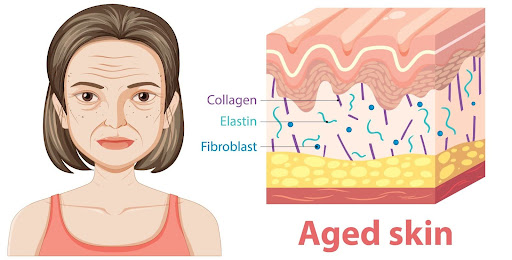
Marla Ahlgrimm explains that collagen plays a major role in skin elasticity and hydration. Supplementing your body’s natural stores of collagen may help reduce wrinkles and improve skin moisture and texture. Some studies have also shown that collagen peptides are beneficial in these areas and more.

Joint Health

Collagen is present throughout our bodies, including in the cartilage between our bones. As our joints become worn with age, our collagen stores deplete. Marla Ahlgrimm notes that taking collagen supplements may work to relieve joint pain and improve joint function. Improving cartilage may be particularly beneficial for women with osteoarthritis.

Bone Health

While arthritis tends to affect the joints, the bones also take a hit in women who are “of a certain age.” Marla Ahlgrimm says that taking a collagen supplement, whether it is a drink or other form, can also help contribute to bone strength. There is supporting research to suggest that collagen may increase bone mineral density. Women going through menopause, and those at risk of osteoporosis, may wish to consider drinking a collagen supplement to help reduce bone loss.

Hair and Nails

Marla Ahlgrimm explains that collagen can also be used as a beauty enhancement. By improving hair thickness and nail strength, some women may improve their self-esteem and reduce their reliance on sprays, polishes, and other beauty products.

Other Potential Benefits

Although more research is needed, Marla Ahlgrimm asserts that collagen may also be a useful supplement in improving muscle mass, gut health, and heart health. It is important to note, however, that these potential benefits must be discussed with your primary healthcare provider and weighed against any potential side effects.

Important Considerations

While collagen is readily available, Marla Ahlgrimm stresses that you can’t just hop online and order the first product you see. She explains that it’s important to know the differences in the types of collagen available. Type I, for example, tends to have the most benefits to nails, hair, and skin. Type II works best when your goal is to support bone or joint health.

Marla AhlgrimmMarla Ahlgrimm also explained that you have to choose a high-quality supplement from a reputable brand. While collagen is typically considered safe, it’s prudent to know where your products come from and whether or not they’ve been tested and manufactured under strict quality and health conditions.

Marla Ahlgrimm says that adding a collagen supplement to your diet is typically considered safe for most healthy adult women. However, she stresses that the quality of the product you choose is crucial. If you are thinking about adding any type of supplement to your diet, Marla Ahlgrimm further recommends reaching out to your primary healthcare provider for guidance.

© 2019 Marla Ahlgrimm. All Rights Reserved.