


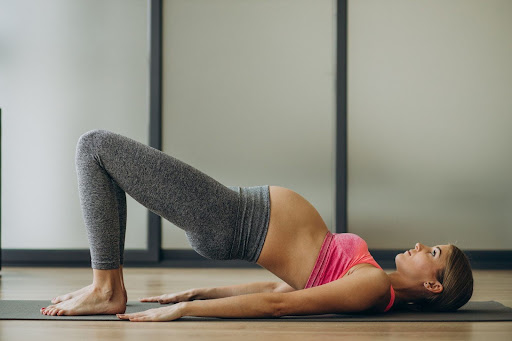
Pelvic floor disorders are a common but woefully under-discussed issue in women’s health. Marla Ahlgrimm, an expert in women’s health and self-help author, explains that few women realize how crucial the pelvic floor muscles are to overall well-being. She explains that the pelvic floor is more than just a set of muscles; it provides support to the bladder, uterus, vagina, and rectum. When these muscles are damaged, weakened, or out of order, a woman may develop issues that impact their health, wellbeing, and ability to enjoy everyday activities.
What Are Pelvic Floor Disorders?
According to Marla Ahlgrimm, pelvic floor disorder is a blanket phrase that encompasses many different conditions. The most common are urinary incontinence, fecal incontinence, pelvic organ prolapse, and chronic pelvic pain. While these issues can affect women of all ages, they are particularly prevalent in women who have experienced childbirth and are approaching perimenopause. Women who have undergone pelvic surgery are also more prone to pelvic floor disorders.
Causes and Risk Factors
Marla Ahlgrimm explains that there are many factors that contribute to pelvic floor disorders. Vaginal childbirth is the most significant, as the pelvic muscles are stretched and may be injured during delivery. Hormonal changes during menopause and perimenopause, especially the decline of estrogen, also weaken tissue elasticity and make the pelvic floor more prone to dysfunction.
Other contributing factors to pelvic floor disorders include chronic constipation, repetitive heavy lifting, obesity, and genetics. Marla Ahlgrimm explains that hysterectomy can also alter the structure of the pelvic floor and increase the risk of pelvic prolapse. These conditions, she asserts, are not a sign of weakness but the result of normal changes to the body.
Symptoms of a Pelvic Floor Disorder
Recognizing the symptoms of a pelvic floor disorder is key to reducing their effects on a woman. Marla Ahlgrimm says that women should be aware of subtle symptoms, such as urine leakage, heaviness in the pelvis, painful intercourse, difficulty emptying the bladder or bowels, and unintentional changes in posture due to lower back discomfort. Even mild symptoms should be discussed with a primary healthcare provider, since early intervention can significantly improve overall outcomes.
Treatment Options
While the idea of a dysfunctional pelvic floor may not be exciting to women, there is good news: pelvic floor disorders are treatable. Marla Ahlgrimm recommends pelvic floor therapy, which focuses on exercises that either strengthen or relax the muscles. This might include Kegel exercises, manual therapy, or biofeedback.
Lifestyle adjustments are also important in maintaining pelvic floor health. Maintaining a healthy weight and reducing stress can help, but Marla Ahlgrimm also recommends avoiding straining during bowel movements and managing health conditions that cause a chronic cough. She asserts that there are also medications for an overactive bladder. Surgical correction is a last resort in severe circumstances.
Breaking the Silence
Pelvic floor disorders carry an uncomfortable social stigma. Many women assume that their symptoms are normal with age or after childbirth and simply don’t discuss them with their healthcare provider. However, Marla Ahlgrimm insists that open conversation and education are essential for women of all ages. The more women talk about pelvic floor disorders, the less taboo the subject will become, and the more women will receive the help they need.
Ultimately, Marla Ahlgrimm says that pelvic floor disorders can affect a woman’s daily life and self-confidence. Thankfully, they are manageable with proper care. Women are encouraged to listen to their bodies and have a conversation with their primary healthcare provider or gynecologist to help treat underlying conditions and to receive pelvic floor therapy or other treatments as needed to maintain quality of life.


 Marla Ahlgrimm has co-authored two ground-breaking books,