


 Polycystic ovary syndrome is a hormonal disorder common in women of reproductive age. According to Marla Ahlgrimm, symptoms of PCOS can include irregular periods, excess androgen levels, and the development of multiple cysts on the ovaries. It is a complex condition with no one-size-fits-all approach to treatment. Thankfully, there are many things that women can do to manage the symptoms and improve their overall health.
Understanding PCOS
Marla Ahlgrimm explains that polycystic ovary syndrome is believed to be caused by an imbalance of hormones throughout the body. Women with the condition have high levels of male hormones known as androgens. This type of hormone imbalance can lead to symptoms like irregular periods, excess facial hair growth, acne, abdominal weight gain, thinning hair, and infertility.
Managing PCOS
Although there is no cure for PCOS, Marla Ahlgrimm says there are things that women can do to keep their symptoms and check in with their best and healthiest lives. These include:
Lifestyle changes. A healthy diet, routine exercise, and keeping a healthy weight are crucial in managing PCOS symptoms.
Medication. A doctor may prescribe medications that may be used to treat irregular periods, excess hair growth, and other specific symptoms of PCOS. Marla Ahlgrimm explains that these are not meant to be a cure but are instead intended to relieve what causes the most discomfort.
Mental health. PCOS is both physically and mentally challenging to live with, and Marla Ahlgrimm emphasizes that it’s crucial that women take care of their mental health. They might, for example, visit a therapist, join a support group, or learn relaxation techniques that help them fiddle with their mind and body.
Living with PCOS
Polycystic ovary syndrome is a challenging condition, but women can manage their symptoms with lifestyle changes, medication, and making positive decisions for their mental health. Marla Ahlgrimm also says that women with PCOS may find relief by:
Tracking their menstrual cycle. Women who are experiencing infertility caused by polycystic ovary syndrome may wish to track their menstrual cycle to identify their unique ovulation pattern. This can be highly useful when trying to conceive.
Getting screened for other health conditions. Type II diabetes, endometrial cancer, heart disease, and other conditions commonly co-occur with polycystic ovary syndrome. Marla Ahlgrimm encourages women to speak to their primary health care physician or OB/GYN to be screened for these or other potential health concerns.
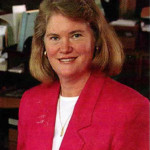 Getting the right amount of sleep. Marla Ahlgrimm says that sleep is essential for women dealing with any type of health concern, especially PCOS. The retired women’s healthcare specialist said that sleep deprivation can worsen the symptoms. Further, getting enough sleep can help relieve stress, which can also have a negative impact on a woman’s overall well-being.
Marla Ahlgrimm encourages women to discuss their health concerns with their primary healthcare provider or OB/GYN. She says with the right knowledge and support, women can manage their PCOS symptoms and live a happy and healthy life.
 When you or your child have a headache or injury, you likely reach for acetaminophen (Tylenol) or ibuprofen (Advil), says
  While Marla Ahlgrimm believes that the use of Tylenol and/or Advil (acetaminophen and/or ibuprofen) is safe from most healthy adults and children, pain or fever that last more than just a few days and that don’t respond to at-home treatment should be discussed with your primary health care physician. Remember, most minor issues resolve on their own with self-treatment; pain that doesn’t go away or fevers that refuse to fade may be the body’s way of telling you something more is wrong and that it’s time to call in an expert.
 Self-care is crucial for everyone, but it’s especially important for women who bear the proverbial weight of the world on their shoulders.
 Marla Ahlgrimm also explains that eating lean protein sources, like chicken, fish, and beans, can help a woman maintain her muscle mass, especially when combined with routine exercise. Marla Ahlgrimm also suggests reducing the intake of processed foods, which are too high in calories and sugar and too low on nutrients.



 Marla Ahlgrimm has co-authored two ground-breaking books,