Marla Ahlgrimm: COVID Protection From An Antipsychotic Drug?

Marla AhlgrimmScientists have been working diligently since the start of the pandemic to identify high-risk groups. According to Marla Ahlgrimm, people with mental illnesses fall in this category. However, some people that take antipsychotic drugs may actually enjoy some protection against the virus.

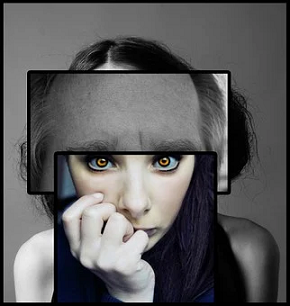
Marla Ahlgrimm explains that people with mental illnesses, and specifically those in an institutionalized setting, such as a mental hospital or prison, are at a higher risk of contracting and dying from the COVID-19 virus. Many of these individuals also suffer with conditions that cause hallucinations; because of this, healthcare workers might think the person with COVID is imagining symptoms and will not test for the virus. Further, they are often unaware of risk factors and how to avoid exposure.

People with schizophrenia are often socially disadvantaged, in poor health, and, sadly, ignored by their healthcare providers when they mention a recurrent symptom. Marla Ahlgrimm says this makes these individuals a prime target for the virus.

A research study published in 2020 in Schizophrenia Research, a peer-reviewed medical journal, found that people that took certain antipsychotic drugs actually seem to have some level of protection against serious illness caused by COVID-19. Marla Ahlgrimm points out that antipsychotic drugs have been studied before as a treatment for other respiratory syndromes.
Marla AhlgrimmMarla Ahlgrimm explains that some antipsychotic drugs inhibit activation of some of the genes that are responsible for systemic inflammation. Inflammation aggravates virtually all illnesses.

Symptoms of the coronavirus often include a persistent, dry cough along with fatigue, congestion, and chills. The majority of individuals diagnosed with the condition recover within two weeks. Marla Ahlgrimm notes that, in the general population, about 2% of people experience extreme symptoms and a small group of these resulted in death. Among those taking antipsychotic drugs, there is a much lower positivity rate. The study found that approximately 4.1% of the general population tested positive for the virus – those taking a long acting injectable antipsychotic treatment tested positive just 1.3% of the time.


Marla Ahlgrimm | Hormones and Skin

Marla AhlgrimmOur hormones play a crucial role in every aspect of our being. According to hormone specialist Marla Ahlgrimm, the endocrine system has its proverbial hand in every part of our physical and emotional health. Our skin is no different.

Q: Do hormones affect our skin appearance?

Marla Ahlgrimm: Absolutely. Most often, estrogen is the hormone you would think of when you think of skin health. While estrogen is typically thought of as a sex hormone, it also affects the hair and skin. As women age, their estrogen levels drop, which can make their skin look less plump and more wrinkled. During high-estrogen stages, such as pregnancy, a woman’s skin, specifically on her forehead, cheeks, and nose, may become darker than normal. This is a phenomenon known as melasma.

Q: What causes excess oil production?

Marla Ahlgrimm: While not always, excessively oily skin is often linked to an overabundance of testosterone. It is a common misconception that only men produce testosterone. Women’s bodies also produce testosterone, albeit in much smaller amounts. During menopause, the testosterone and androgen levels are thrown off balance, which may result in adult acne or skin oiliness.

[Read more…]

Marla Ahlgrimm | Hobbies And Health

Marla AhlgrimmMany people look at hobbies as simply a way to pass a lazy afternoon. But, according to women’s health entrepreneur Ahlgrimm, hobbies are so much more. Having the right hobby can improve your overall health and happiness. Not sure what piques your interest? Here are some suggestions:
Reading

Marla Ahlgrimm says that few things are more comforting than a good book, a cozy blanket, and a night on the couch. But, books also help keep your brain in top shape while you learn or escape into a fantasy world. If socialization is what you’re looking for, having a book club is an excellent way to get together with your gal pals.

Art

Even if you don’t have an artistic bone in your body, drawing, painting, and crafting are all excellent hobbies. Marla Ahlgrimm explains that having a creative outlet can help you get better in touch with your feelings while expressing your individual style. Plus, there’s something rather satisfying about watching a blank canvas or a lump of clay turn into something made by your own two hands.

[Read more…]

Is There A Link Between Stress And Early Menopause? Marla Ahlgrimm Answers

Marla AhlgrimmIt’s estimated that approximately 1% of women will experience menopause before they turn 40, says Marla Ahlgrimm. Is stress the culprit? Probably not.
Q: Can stress cause premature menopause?

Marla Ahlgrimm: There isn’t evidence to suggest that stress by itself can trigger early menopause. What we do know, however, is that the symptoms of stress and menopause often mimic each other. This can make you mistakenly believe that you are beyond your childbearing years.

Q: What are common symptoms of stress and menopause?

Marla Ahlgrimm: Anxiety, mood swings, waning libido, irritability, forgetfulness, and trouble sleeping are all common in both. However, stress can also cause a woman to miss her menstrual cycle, which is the top reason that women in their 40s who are experiencing extreme stress believe that they’ve begun menopause.

Q: Who is most at risk of early menopause?

Marla AhlgrimmMarla Ahlgrimm: There are several lifestyle factors and health conditions that can cause early menopause. These include smoking, cancer treatment, some autoimmune disorders, and surgeries. Further, women who eat a poor diet, drink often, and engage in other unhealthy lifestyle practices put themselves at risk of experiencing stress/menopause symptoms in their late 30s and 40s.

Q: What are the emotional effects of early menopause?

Marla Ahlgrimm: That depends on the woman. Some welcome “the change” with open arms. However, a woman in her late 30s or early 40s who still wishes to have children may feel as though their self-worth has taken a hit. As women delay having kids, the risk of infertility increases. In addition to not being able to have children, experiencing early menopause can make a woman feel older than she is. As a society, we tend to look at those post-menopausal women as less attractive than their child-bearing-aged counterparts. This can take a significant toll on a woman’s self-esteem as she learns to accept and transition into her “mature” years.

Our Chemical Messengers | Marla Ahlgrimm

Marla AhlgrimmIn the following brief blog, Marla Ahlgrimm answers questions about hormones and how they play a role in our mood.

Q: What are hormones?

Marla Ahlgrimm: Hormones are best thought of as chemical messengers. They are released by different glands and travel through the blood telling our brain and body how to feel, how to react, and how to grow.

Q: Are hormones responsible for moodiness during a woman’s menstrual cycle?

Marla Ahlgrimm: Absolutely. Women’s hormones are a fickle beast, and the majority of women of childbearing age experience fluctuating hormones at least once each month. Although PMS is not fully understood, rising, dropping, and shifting hormones are at least, in part, responsible for triggering moodiness about a week before a woman starts her period.

[Read more…]

Marla Ahlgrimm Shares The Truth About Turkey

Marla AhlgrimmTurkey is a staple of holiday meals. Between November and December, Americans consume more turkey than any other time of the year. And many people claim that their bite of bird puts them right to sleep. This might not be true, however, says Marla Ahlgrimm.

Q: What is it about turkey that makes people believe that it is a natural sleep aid?

Marla Ahlgrimm: It’s the tryptophan. Tryptophan is an amino acid – one of nearly two dozen that occur actually. An amino acid is a basic component of protein. It is found in many meats, not just turkey. Many people mistakenly believes that the tryptophan in turkey immediately triggers their brain to tell their body it’s time for sleep.

[Read more…]

© 2019 Marla Ahlgrimm. All Rights Reserved.