


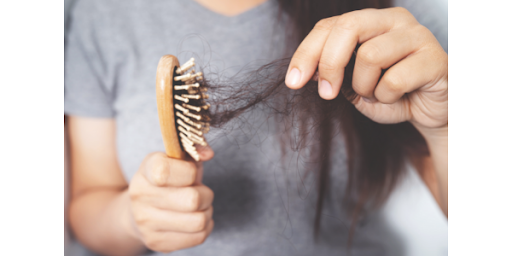
 If you’ve recently had a baby, you may have noticed that your hair isn’t quite as full and luxurious as it once was. However, Marla Ahlgrimm says this is not unusual, and dermatologists do not consider this temporary shedding to be true hair loss.
Marla Ahlgrimm explains that hormone changes caused by pregnancy and birth can result in what the medical community calls excessive shedding. Fortunately, although it can be scary during a time when you are also learning to acclimate to life as a new mom, this type of hair loss typically resolves itself within the first 12 months after giving birth.
Although you cannot stop post-pregnancy related hair loss, Marla Ahlgrimm says there are a few things that you can do to take better care of your hair until it begins to grow back. These include:
- Invest in quality, volumizing shampoos. Marla Ahlgrimm explains that volumizing shampoos contain a higher number of protein particles, which make the hair appear fuller by coating them in a protective layer.
- Use a weightless conditioner. Look for a conditioner formulated specifically for fine hair. Even if your hair is normally thick, the lighter formulation is better for thinner hair.
 Only condition the ends. Marla Ahlgrimm says her hairdresser gave her great advice many years ago: condition the hair, shampoo the scalp. Avoid heavy conditioners on the scalp, which can push the hair down further, making it appear even thinner than it is.
- Change up your style. Speaking of a stylist, Marla Ahlgrimm says that yours may even be able to recommend a new hairstyle to make your thinner hair look fuller. More importantly, shorter hair isn’t as easy for the baby to grab, and your little one is less likely to get strands of hair wrapped around their fingers or toes.


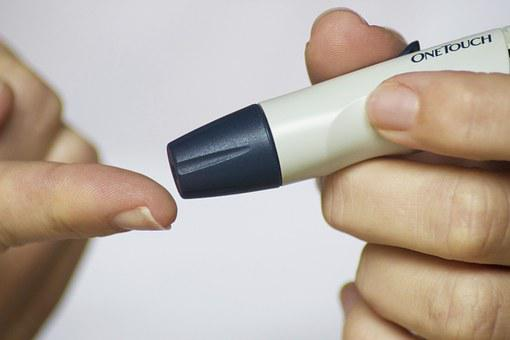
 Another unfortunate side-effect of diabetes for women is a lack of desire to engage in sexual activity, says Marla Ahlgrimm. This is because diabetes can reduce vaginal moisture, which can make sex uncomfortable. This is another area that your physician can help with, and they may suggest over-the-counter lubricants or exercises that can enhance and elevate the sexual response.
 Women tend to report more allergies than men, especially each year as spring approaches.
  Marla Ahlgrimm also acknowledges that sudden severe food allergies are increasing, and that adults over the age of 40 may be at a greater risk. Approximately 26 million Americans have severe food allergies, and many of these did not develop until mid-adulthood.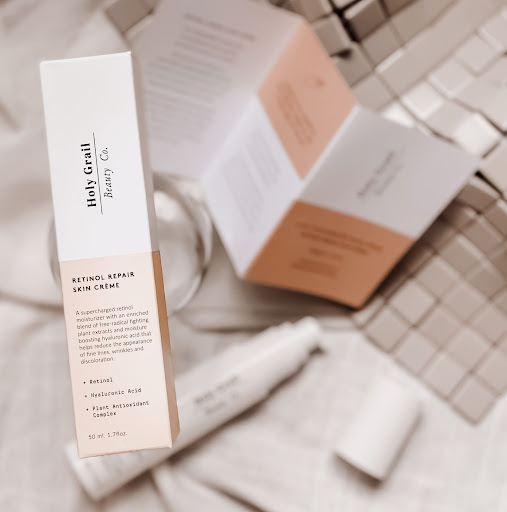
 As we get older, changing hormones can affect the way we look. Many women choose to take on a new skin care routine to offset some of the effects of age. According to


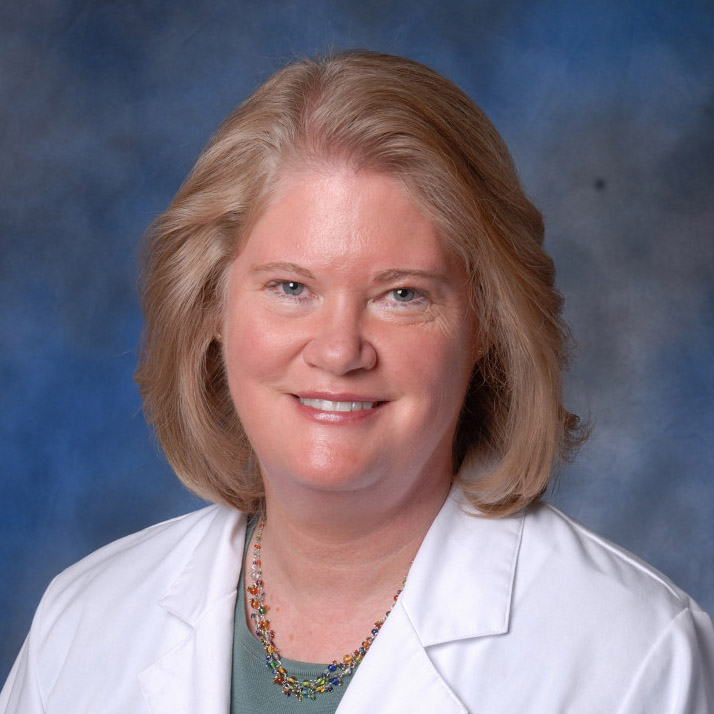 Marla Ahlgrimm has co-authored two ground-breaking books,